“Ever had the sinking feeling your shiny metal credit card might be funding someone else’s shopping spree? Yeah, that’s the stuff of nightmares.”
If you own one of those sleek metal credit cards—whether it’s from Chase Sapphire Reserve or Amex Centurion—you already know they come with some serious perks. But here’s the deal: With great power (and status) comes great responsibility. And when it comes to fraud, ignorance is definitely not bliss.
This blog post dives deep into why fraud alerts are absolutely essential for metal credit card users. You’ll learn:
- The shocking truth about how fraud targets premium cardholders.
- A step-by-step guide to setting up effective fraud alerts.
- Tips to stay ahead of scammers without losing sleep over it.
- Real stories of people who dodged financial disasters thanks to proactive measures.
Table of Contents
- Key Takeaways
- The Problem With Metal Cards and Fraud
- How to Set Up Fraud Alerts on Your Metal Card
- Best Practices for Metal Card Security
- Success Stories: Real People, Real Results
- FAQ About Fraud Alerts and Metal Cards
Key Takeaways
- Fraudsters love targeting high-value cards like metal credit cards because of their perceived wealth.
- Fraud alerts are easy to set up but often overlooked by even the savviest cardholders.
- Combining fraud alerts with other security measures creates an impenetrable fortress around your finances.
The Problem With Metal Cards and Fraud
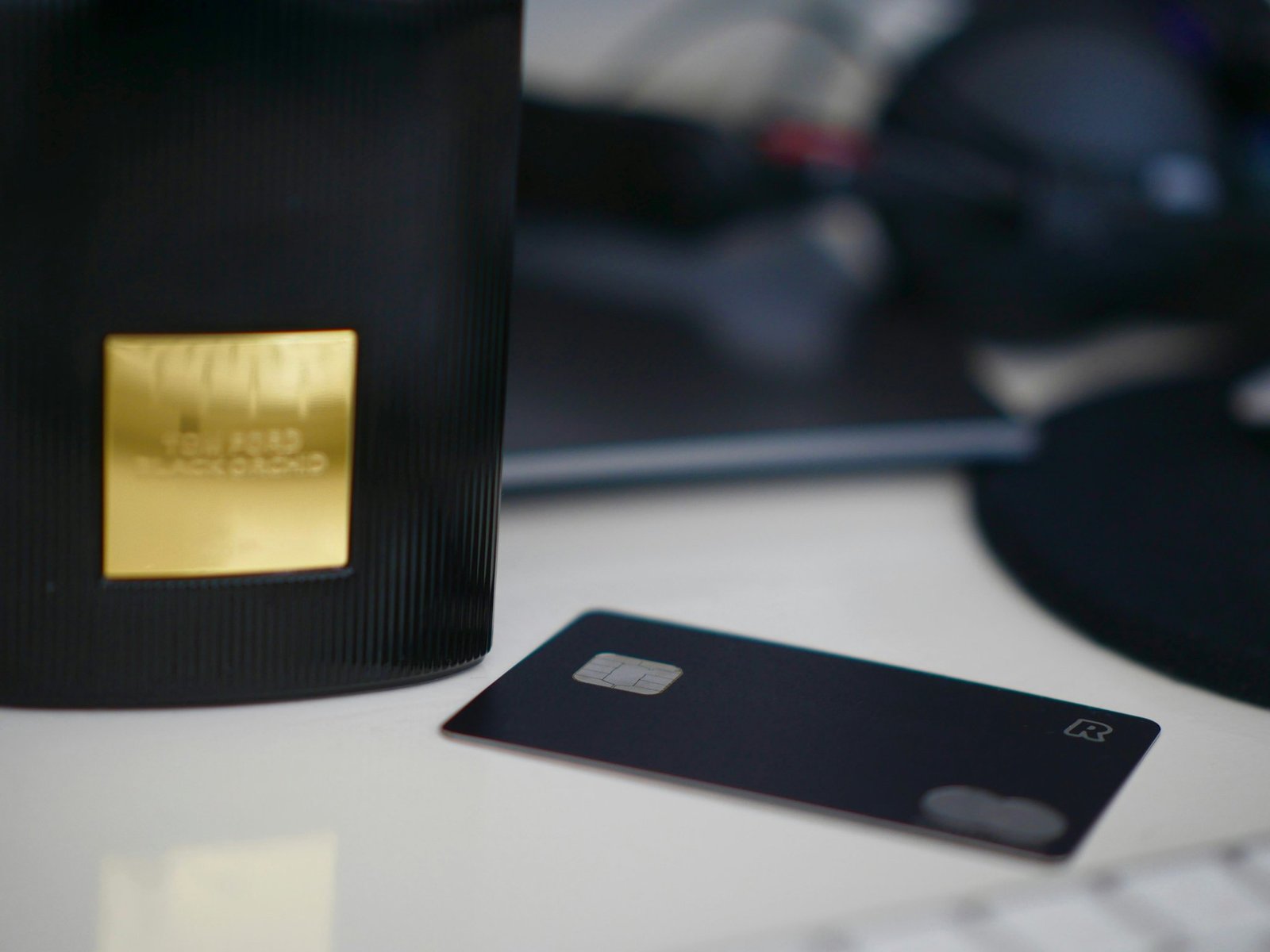
Fancy metal credit cards aren’t just cool—they scream “I have disposable income.” Unfortunately, so do cybercriminals. According to recent reports, accounts linked to premium credit cards experience higher-than-average fraud attempts. Here’s my personal confession:
*”Once, I got lazy and didn’t monitor my statements after traveling abroad. A random charge for $200 worth of coffee beans in Romania tipped me off. Turns out, someone had cloned my card while I was sipping espresso in Milan. Ugh, lesson learned the hard way.”*
Fraud isn’t just inconvenient; it can wreak havoc on your credit score if left unchecked. That’s where fraud alerts swoop in like Batman at a Gotham heist.
How to Set Up Fraud Alerts on Your Metal Card

Step 1: Open your bank’s mobile app or website. Navigate to “Account Settings” or “Security Preferences.” This part sounds boring AF, but trust me—it’s worth it.
Step 2: Look for options like “Card Controls” or “Fraud Notifications.” Most banks let you customize these alerts based on spending limits, location, or merchant types.
Step 3: Enable text/email notifications for suspicious activity. Pro tip: Make sure your contact info is updated. Getting a text saying “Unusual Activity Detected” beats finding out via denied transactions later.
Grumpy Optimist Dialogue:
Optimist You:* “Just follow these steps, and you’re golden!”
Grumpy You: “Yeah, yeah—but only if you actually read them instead of doomscrolling TikTok during setup.”
Best Practices for Metal Card Security
- Enable Multi-Factor Authentication: Add another layer of protection beyond passwords.
- Limit Physical Exposure: Keep your metal card secure. No flaunting it unnecessarily.
- Regularly Review Statements: Sounds old-school, but it works. Catch anomalies ASAP.
- Freeze Temporary Suspensions: Use apps like Apple Pay or Google Wallet to freeze your card remotely if needed.
WARNING: One terrible tip floating online suggests disabling all alerts to avoid stress. Don’t fall for this. It’s as dumb as hiding under a rock to avoid bears—it leaves you clueless until it’s too late.
Success Stories: Real People, Real Results
Meet Sarah, a globe-trotting entrepreneur whose Chase Sapphire Reserve flagged unauthorized charges in Thailand within minutes. She immediately froze her account and avoided thousands in damages. Thanks, fraud alerts!
Or take Alex, who regularly shops online. His Amex Platinum caught sketchy recurring subscriptions he never signed up for. He disputed the charges and saved himself hundreds annually.
FAQ About Fraud Alerts and Metal Cards
Do All Banks Offer Fraud Alerts?
Most major banks do, but policies vary. Check directly with your issuer or consult their FAQ section.
Can Fraud Alerts Prevent All Types of Scams?
No, but they significantly reduce risks. Pair them with strong passwords and vigilance for maximum effect.
Will Turning On Fraud Alerts Trigger False Alarms?
Possibly. Travel or large purchases might trigger alerts. Just confirm legit charges quickly.
Conclusion
Fraud alerts may seem minor compared to the gleam of your metal credit card, but they’re your first line of defense against financial ruin. From setting alerts to monitoring your accounts, staying vigilant pays off big time.
So, what will you do next? Enable those alerts or keep crossing fingers? (Psst… we recommend the former.)
Like Frodo destroying the One Ring, protecting your finances requires courage—and maybe a few helpful wizards along the way.