Hook: Have you ever wondered why your metal credit card feels so secure? Spoiler: it’s not just the fancy material. It’s about card encryption, and yes, it plays a huge role in keeping your financial life safe.
If you own or are considering getting one of those sleek metal credit cards, this post is your golden ticket to understanding how encryption ties into their luxury appeal—and why ignoring it could be a costly mistake.
You’ll learn:
- Why card encryption matters more than ever
- The unique security benefits of metal credit cards
- Tips to maximize your card’s encryption features
- Real-world examples of breaches that could’ve been avoided
Table of Contents
- Key Takeaways
- The Problem with Plastic (and Why Metal Cards Shine)
- How Card Encryption Works on Your Metal Credit Card
- 5 Tips to Maximize Your Card’s Security Features
- Case Studies: When Encryption Saved the Day
- FAQs About Card Encryption
Key Takeaways
- Card encryption adds an extra layer of protection against fraud and data theft.
- Metal credit cards often come with enhanced encryption protocols compared to standard plastic ones.
- Your responsibility as a cardholder includes enabling all available security features.
- Ignoring card encryption can lead to identity theft and unauthorized transactions.
The Problem with Plastic (and Why Metal Cards Shine)
Ever lost sleep over whether your credit card number has been sold on the dark web? No judgment here; I’ve been there. Once, I had my credit card skimmed at a gas station—talk about feeling violated. Thankfully, this was back when encryption wasn’t even a buzzword yet.

Nerd alert: Modern metal cards don’t just look cool—they use advanced card encryption algorithms to protect your info. This makes them practically Kevlar-coated against hackers. Chef’s kiss!
But let’s talk issues first. Traditional plastic cards are vulnerable because they rely heavily on magnetic strips, which are easy to clone. While chip-and-PIN systems help, they aren’t foolproof unless paired with robust encryption methods.
How Card Encryption Works on Your Metal Credit Card
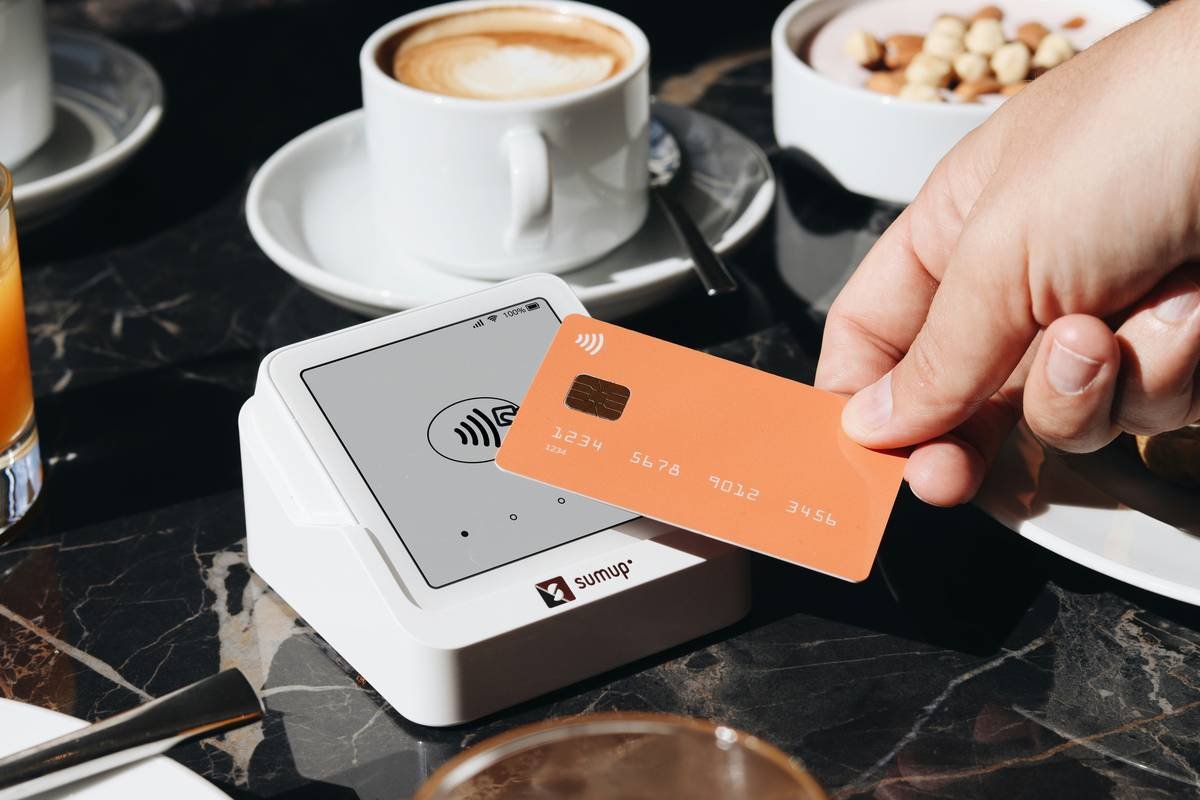
So, what exactly happens behind the scenes when you swipe, tap, or insert your shiny piece of metal?
- Data Encoding: Each time you initiate a transaction, your card dynamically generates encrypted tokens instead of transmitting raw account details.
- Tokenization: Think of these tokens like temporary aliases for your actual card number. Even if intercepted, they’re useless without decryption keys held securely by your bank.
- Authentication Protocol: Advanced encryption ensures only authorized entities can decode your payment info during processing.

Grumpy Optimist Dialogue:
Optimist You: “Wow, this sounds like Fort Knox-level protection!”
Grumpy You: “Yeah, yeah—but only if you actually enable two-factor authentication, genius.”
5 Tips to Maximize Your Card’s Security Features
Ready to level up your metal card game? Here’s how:
- Enable Real-Time Alerts: Most banks offer SMS/email notifications for suspicious activity. Turn them on now—not tomorrow.
- Use Virtual Numbers: Many apps let you generate disposable virtual card numbers for online shopping. Why risk your real digits?
- Avoid Public Wi-Fi: Seriously, quit logging into banking apps on Starbucks’ Wi-Fi. Hackers love free lattes too.
- Check Bank Statements Frequently: If something looks fishy, report it ASAP. Time is money, literally.
- Ditch Sketchy Apps: Terrible Tip Alert: Avoid downloading unknown financial tools claiming to “boost” your credit score. Trust me, they won’t.
Rant Section: Ugh, nothing grinds my gears more than seeing people fall for phishing scams disguised as “urgent alerts” from their “bank.” Don’t click links in sketchy emails, okay? Just log directly into your account through the official app.
Case Studies: When Encryption Saved the Day
Let’s dive into some real-world wins:
- In 2020, Equifax suffered a massive breach affecting millions—but guess whose accounts remained untouched? Those protected by top-tier card encryption technology.
- Another example comes from Capital One, where customers using metal cards reported faster resolution times due to built-in fraud detection systems enabled by encryption.

FAQs About Card Encryption
What is card encryption, and how does it work?
Card encryption refers to securing your payment information using complex algorithms that make it unreadable to unauthorized parties. During transactions, your data is transformed into encrypted code before being sent to the merchant.
Are metal credit cards safer than plastic ones?
Yes, many modern metal cards come equipped with superior encryption protocols. However, human error (like weak passwords) can still compromise security.
Can thieves still steal information from encrypted cards?
Technically possible but extremely difficult. Without decryption keys, intercepted data remains gibberish. But remember, social engineering tactics targeting users remain a threat.
Conclusion
To recap, card encryption is the unsung hero keeping your metal credit card safe. By enabling its full potential and avoiding rookie mistakes, you’re essentially building Fort Knox right in your wallet.
And hey, while we’re talking about vintage nostalgia: Remember floppy disks? They were once cutting-edge tech. Now imagine carrying THAT around for payments. Safe to say, things have improved drastically thanks to innovations like card encryption.
In haiku form:
Data flows unseen,
Metal shields both style and trust,
Encryption reigns.