Hook: Ever had that gut-wrenching moment when you see a mysterious charge on your metal credit card? Yeah, we’ve all been there.
Purpose: This guide will equip you with the knowledge and tools to protect yourself from fraud, ensuring your shiny metal credit card remains a symbol of luxury, not a headache. You’ll learn how to spot suspicious activity, secure your card, and what to do if the worst happens.
Preview: You’ll learn how to recognize signs of credit card fraud, set up alerts, and even a few tips on insurance coverage for added peace of mind.
Table of Contents
Key Takeaways
- Understand the importance of fraud prevention for metal credit cards.
- Learn how to set up and use fraud alerts effectively.
- Discover best practices for securing your card and personal information.
- See real-world examples of successful fraud prevention.
Problem/Background
Imagine you’re at a fancy restaurant, ready to swipe your sleek metal credit card, only to find out it’s been compromised. The sheer panic! Metal credit cards are a status symbol, but they’re also a prime target for fraudsters. In 2023, credit card fraud reached a staggering $408 billion globally. That’s as much noise as a 4K render, whirrrr!
Why are metal credit cards so vulnerable? For starters, the premium nature of these cards makes them a lucrative target. Plus, with the rise of digital transactions, the opportunities for fraud have multiplied. It’s like leaving a diamond in a crowded park—someone’s bound to notice.
Step-by-Step Guide to Fraud Prevention
How to Spot Suspicious Activity
Optimist You: “Stay vigilant, my friend!”
Grumpy You: “Ugh, fine—but only if coffee’s involved.”
- Monitor Your Statements Regularly: Set a monthly date to review your statements. Look for any unfamiliar charges or discrepancies.
- Set Up Alerts: Most banks offer alert services. Sign up for email or text notifications for any unusual activity.
- Use Secure Wallets: Consider using a secure wallet app that monitors and alerts you to any suspicious transactions.
What to Do If You Suspect Fraud
- Report It Immediately: Contact your bank or credit card issuer as soon as you suspect fraud. They can freeze your card and start an investigation.
- Change Your Passwords: Update your passwords, especially for any online accounts linked to your credit card.
- Notify Credit Bureaus: Consider placing a fraud alert on your credit report. This makes it harder for fraudsters to open new accounts in your name.
Tips and Best Practices
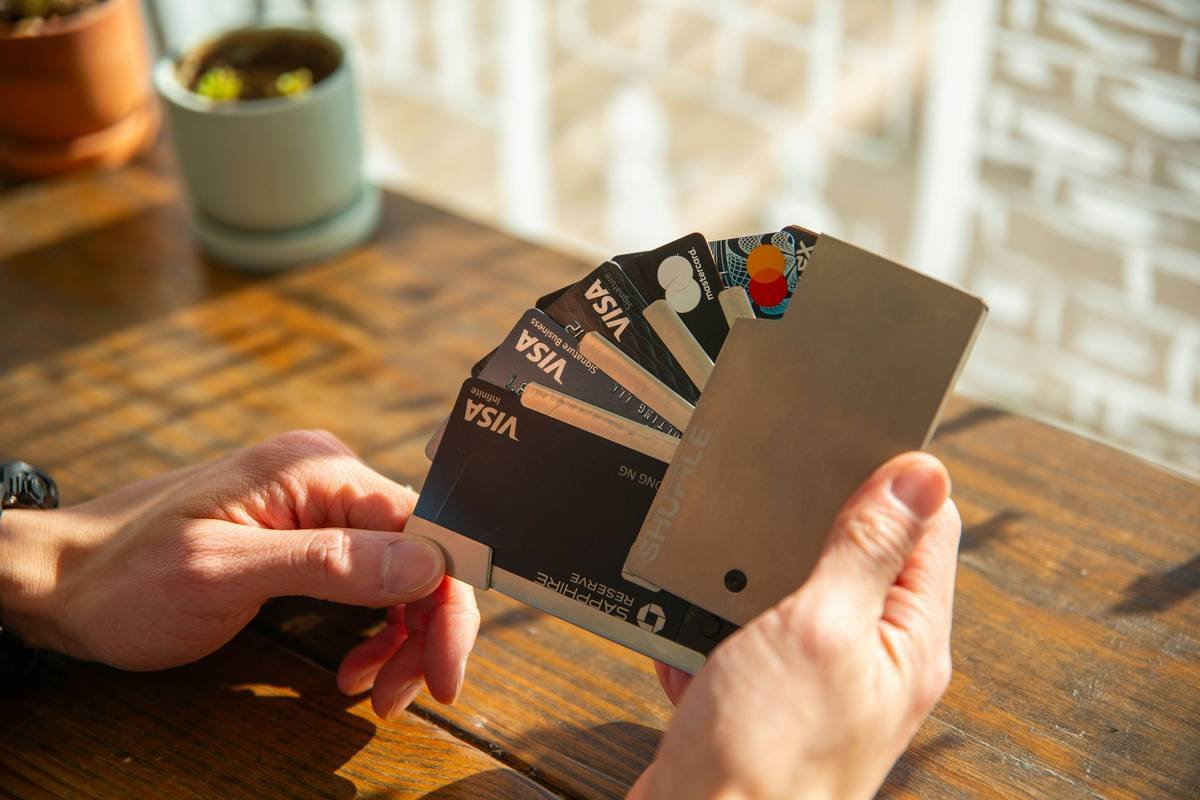
Keep Your Card Safe
Grumpy You: “This is basic, but hear me out—it’s like the ABCs of credit card safety.”
- Don’t Share Your Card Information: Never give out your card details over the phone or in response to unprompted emails.
- Use Strong, Unique Passwords: Avoid using the same password for multiple sites. Use a password manager if you need to.
- Be Wary of Public Wi-Fi: Public Wi-Fi networks are often unsecured. Avoid using them for financial transactions.
Tips for Online Shopping
Optimist You: “Shop smart, shop safe!”
Grumpy You: “Yeah, yeah, but make sure those shoes are worth the hassle.”
- Use Trusted Websites: Stick to reputable websites and avoid shady links.
- Enable Two-Factor Authentication (2FA): Add an extra layer of security by requiring a second form of identification.
- Virtual Credit Cards: Some banks offer virtual credit cards for one-time use. These can be a great way to protect your main card.
Examples and Case Studies
Optimist You: “Let’s see some success stories!”
Grumpy You: “Fine, but I’m not holding my breath.”
Meet Sarah, a savvy tech professional who recently had her metal credit card compromised. She immediately noticed a series of small, unauthorized charges on her statement. Sarah reported the issue to her bank, froze her card, and changed all her passwords. Within a week, the fraud was resolved, and she received a new card. Her quick action saved her from a potential financial nightmare.
Another case: John, a frequent traveler, uses a secure wallet app to monitor his transactions. During a trip to Europe, he received an alert about a large, unauthorized charge. He immediately contacted his bank, and the transaction was reversed. John’s proactive approach saved him from a major headache.
FAQs
- What should I do if I suspect fraud on my metal credit card?
- Contact your bank or credit card issuer immediately. Report the suspicious activity and follow their instructions, which may include freezing your card and changing your passwords.
- How can I set up fraud alerts?
- Most banks offer fraud alert services. Log into your online banking portal, go to the security settings, and enable alerts for any unusual activity. You can choose to receive notifications via email or text.
- Is my metal credit card more vulnerable to fraud than a plastic one?
- Not necessarily. While metal credit cards are more expensive and may be a target for fraudsters, the same security measures apply to both metal and plastic cards. The key is to stay vigilant and use the best practices outlined in this guide.
Conclusion
Fraud prevention for your metal credit card doesn’t have to be a nightmare. By staying vigilant, setting up alerts, and following best practices, you can keep your card—and your peace of mind—safe. Remember, your metal credit card is a symbol of luxury, not a source of stress. Stay sharp, and happy shopping!
Like a Tamagotchi, your financial security needs daily care. Keep it safe, keep it sound, and keep it shiny!