Ever felt the rush of pulling out a sleek, shiny metal credit card at checkout? That metallic *clink* as it hits the counter feels like a flex—and let’s be honest, you love it. But have you ever stopped mid-swipe and wondered, “How secure is this card *really*?” If so, you’re not alone.
In today’s world, where scammers are savvier than your favorite TikTok creators (ugh), **card security** for premium cards is more critical than ever. Whether you’re rocking an Amex Centurion or a Chase Sapphire Reserve, we’re diving deep into how to protect your shiny status symbol while enjoying its perks safely. Buckle up—it’s time for some high-stakes financial wisdom!
Table of Contents
- The Problem with Cool Plastic (and Metal)
- Step-by-Step Guide to Metal Credit Card Security
- 5 Proven Tips for Maximum Card Security
- Real-Life Horror Stories & Victory Tales
- FAQs About Card Security and Metal Credit Cards
Key Takeaways
- Metal credit cards offer prestige but come with heightened risks if compromised.
- Basic card security hygiene applies just as much to metal cards as regular plastic ones.
- Avoid storing sensitive information online without encryption—this includes those fancy embossed details on your card.
- Technology such as EMV chips and contactless payments significantly enhances card security compared to magnetic stripes.
- If fraud does occur, swift action can save you from endless headaches.
The Problem with Cool Plastic (and Metal)
“So, they’re made of metal…how bad could it be, right?” Wrong. While these premium cards might make you feel invincible, their flashiness attracts attention—not just from envious friends but also from opportunistic hackers and thieves.
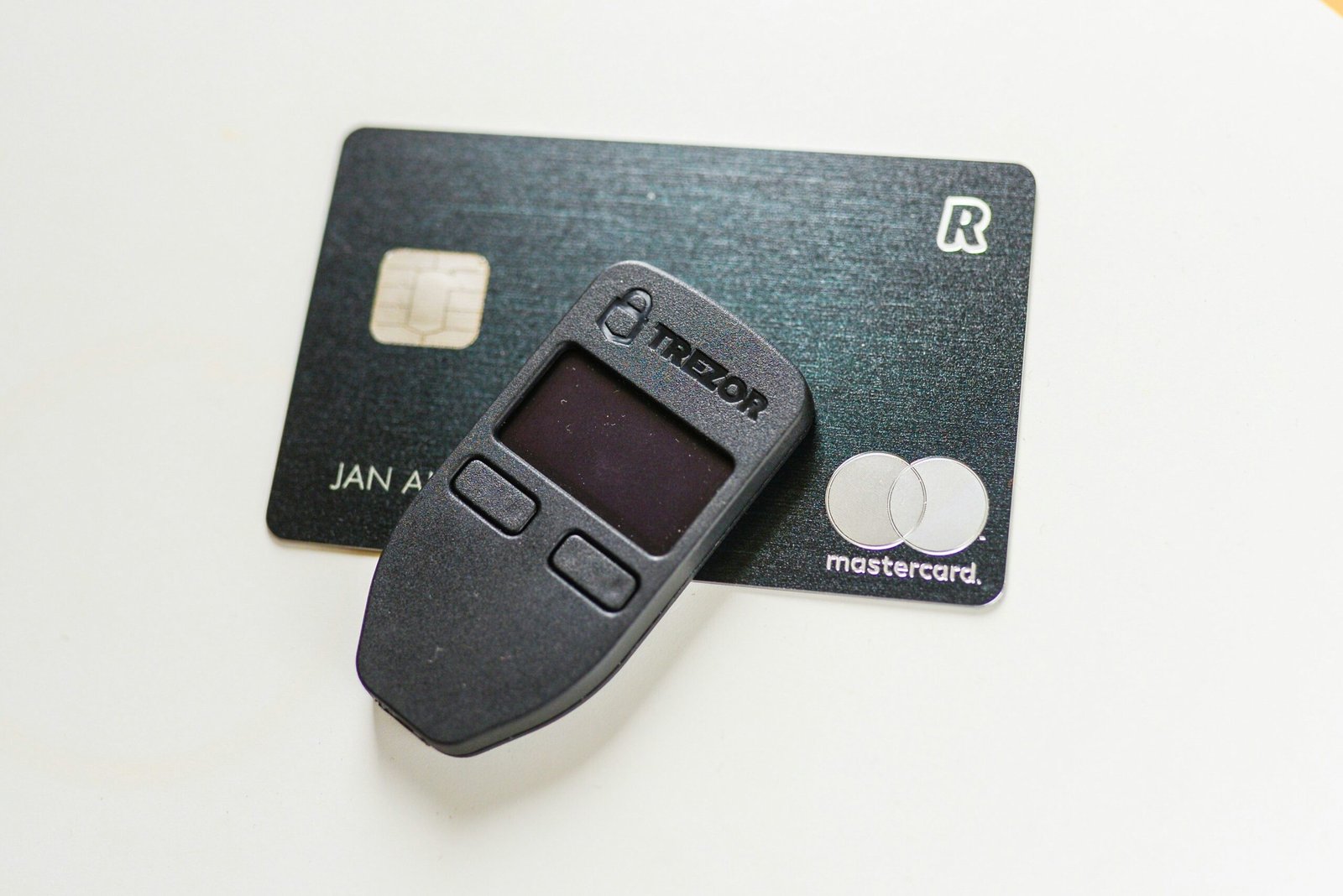
Here’s a confessional fail: I once lost my wallet in a packed concert venue—yes, rookie move—and when I finally found it later, guess what was missing? My *regular* debit card. Imagine the chaos if it had been my shiny $500 titanium Amex instead! The truth is, no matter how expensive or exclusive your card is, neglecting proper **card security** makes it vulnerable.
Why Does This Matter Now More Than Ever?
Optimist You: “It’s fine—I’ll just freeze the account if anything happens.”
Grumpy You: “Ugh, tell that to the days wasted disputing charges and restoring trust.”
Fraudsters use everything from skimming devices at gas stations to phishing emails designed to look legit. A breach involving your metal card isn’t just inconvenient—it’s embarrassing. Plus, many issuers impose stricter liability rules for high-end products, meaning you might share responsibility in certain cases.
Step-by-Step Guide to Metal Credit Card Security
Step 1: Protect Your Card Details Offline
- Never write down your CVV code anywhere—it shouldn’t leave your memory.
- Store your physical card somewhere safe; avoid leaving it lying around.
- Consider investing in RFID-blocking wallets to prevent wireless theft.
Step 2: Secure Digital Usage
- Use strong, unique passwords for any apps or accounts linked to your card.
- Enable two-factor authentication wherever possible—even if it feels annoying during sleepy mornings.
- Avoid saving your card info on sketchy websites (“If the URL looks wonky, don’t enter your digits”).
Step 3: Monitor Transactions Regularly
Most banks now provide real-time transaction alerts via text or email. Set them up immediately after receiving your new card.
5 Proven Tips for Maximum Card Security
- Keep It Simple: If you rarely travel internationally, notify your bank before swiping abroad. Otherwise, they might flag suspicious activity and lock your account.
- Spot the Scams: Be wary of unsolicited calls claiming to be your issuer—even if they sound official. Hang up, then call the number on the back of your actual card.
- Delete Old Apps: Unused shopping apps storing your payment method? Delete ‘em! They’re goldmines for hackers.
- Update Everything: Ensure all software on your phone and computer stays updated. Sounds boring, but patches fix vulnerabilities faster than you’d think.
- Terminate Terrible Habits: Stop snapping pics of your card for “safekeeping” on your phone. Even locked galleries aren’t foolproof against determined hackers.
Rant Alert: Why Do People Still Tape Over Their Card Chips??
Seriously, folks. Stop blocking your EMV chip. It exists to protect you by generating unique codes for every transaction. Taping over it forces retailers to fall back on less secure magstripe tech, making it easier for criminals to clone your data. Cut. It. Out.
Real-Life Horror Stories & Victory Tales
Case Study #1: Sarah, a corporate executive, flew first-class thanks to her Amex Black. One day, she noticed odd Uber Eats charges racking up thousands. Turns out, her housekeeper photocopied her card to buy groceries for herself. Oof. Lesson learned? Treat your card access like Fort Knox.
FAQs About Card Security and Metal Credit Cards
Q1: Are metal credit cards safer than plastic ones?
Nope. While they may feel indestructible (*chef’s kiss*), metal doesn’t inherently boost **card security**. Follow standard precautions regardless of material.
Q2: Can someone skim my metal card?
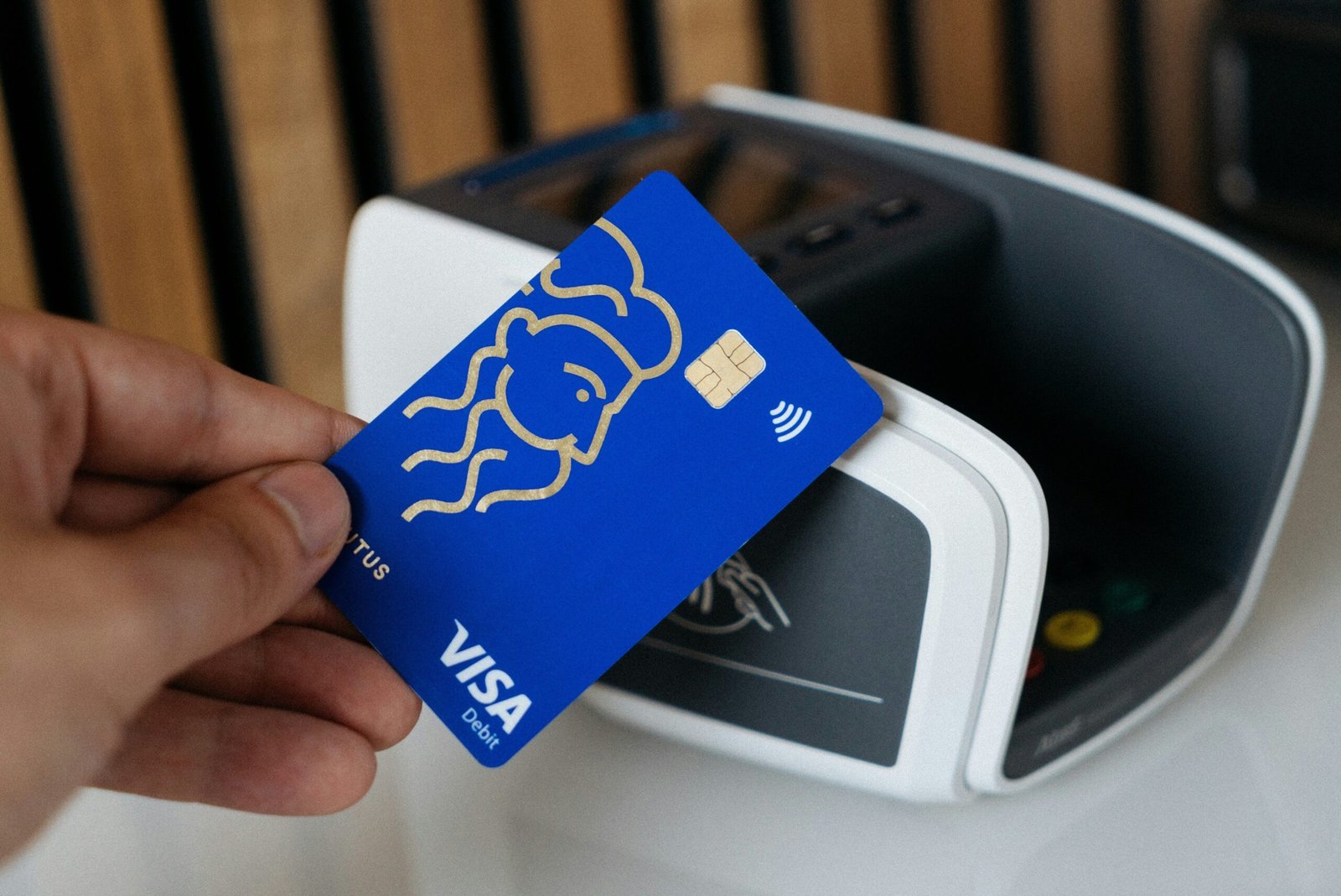
Yes, especially if it contains a magstripe. Always choose chip-enabled or contactless options whenever available.
Q3: What should I do if my metal card gets stolen?
Contact your issuer IMMEDIATELY to report the loss and request a replacement. Bonus tip: Keep the emergency hotline number handy.
Conclusion
Your metal credit card is more than just a shiny accessory—it’s a powerful tool that demands respect and care. By following our guide to **card security**, you’ll ensure that your flashy piece of plastic (or metal) remains both stylish *and* safe.
Remember: Prevention beats panic every time. Stay proactive, stay vigilant, and enjoy flaunting that status symbol guilt-free.
P.S. Like finding a forgotten Tamagotchi in your attic, keeping tabs on your finances brings unexpected rewards.